Real inspection examples

See How Findings Are Reported

Clear photographs, plain-language observations and practical recommendations to help you make an informed decision.

Selected examples

The photographs below show the kinds of visible defects and moisture indicators that may be identified during a pre-purchase inspection.

Identifying property details have been omitted. These are selected examples only—not a complete report—and every property presents different conditions and access limitations.

Roof exterior

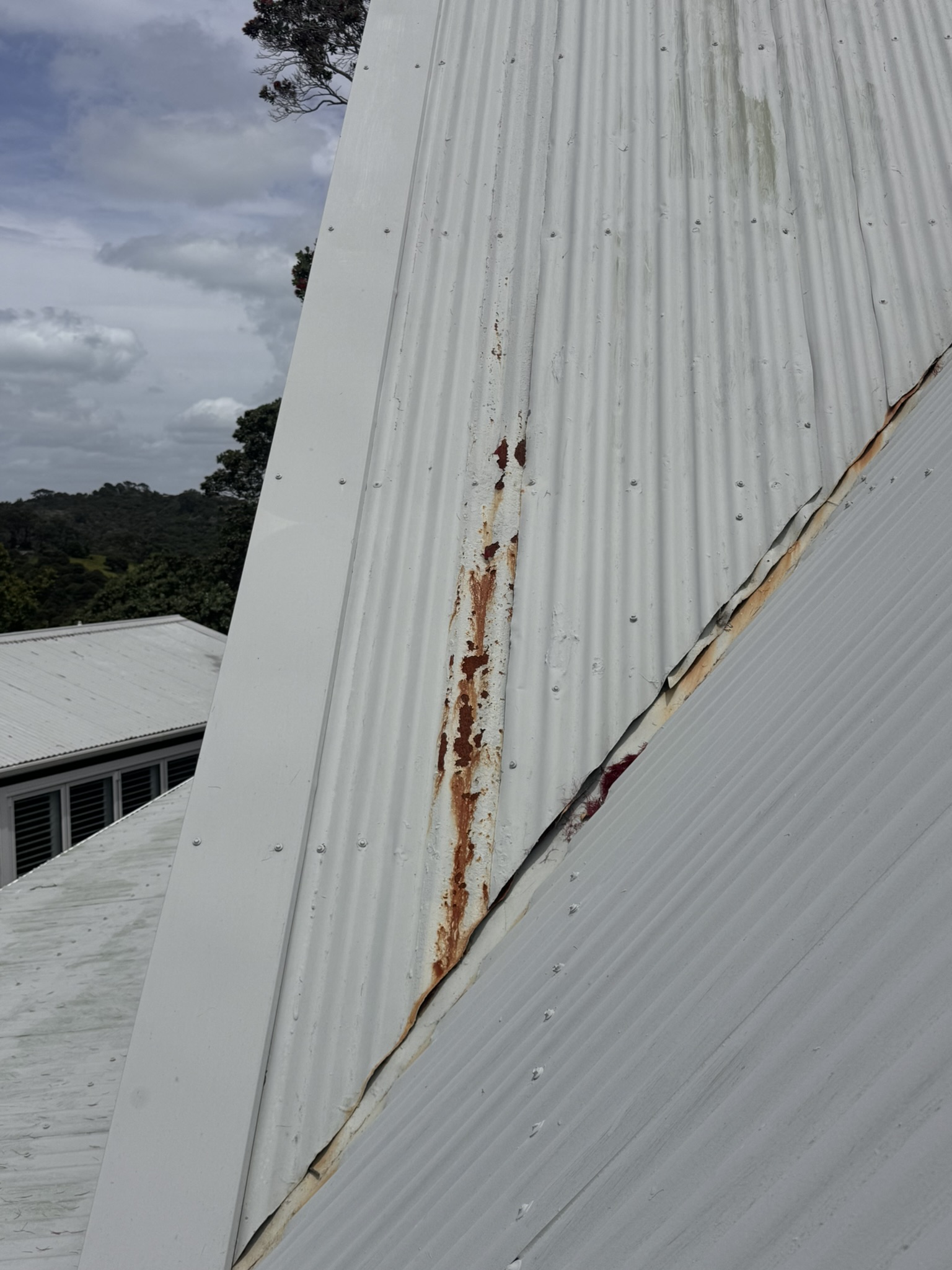
Restricted roof-valley drainage

Further review recommended

Observation

The roof valley had restricted clearance and localised debris accumulation. Deterioration and corrosion were visible to the adjacent metal roofing.

Why it matters

Restricted drainage may allow water to back up beneath the roof sheets, while ongoing corrosion may lead to perforation and moisture entry.

Recommendation

Have a suitably qualified roofing contractor clear and assess the valley, confirm the detailing provides adequate drainage, and repair or replace deteriorated components as required.
Deck and roof drainage

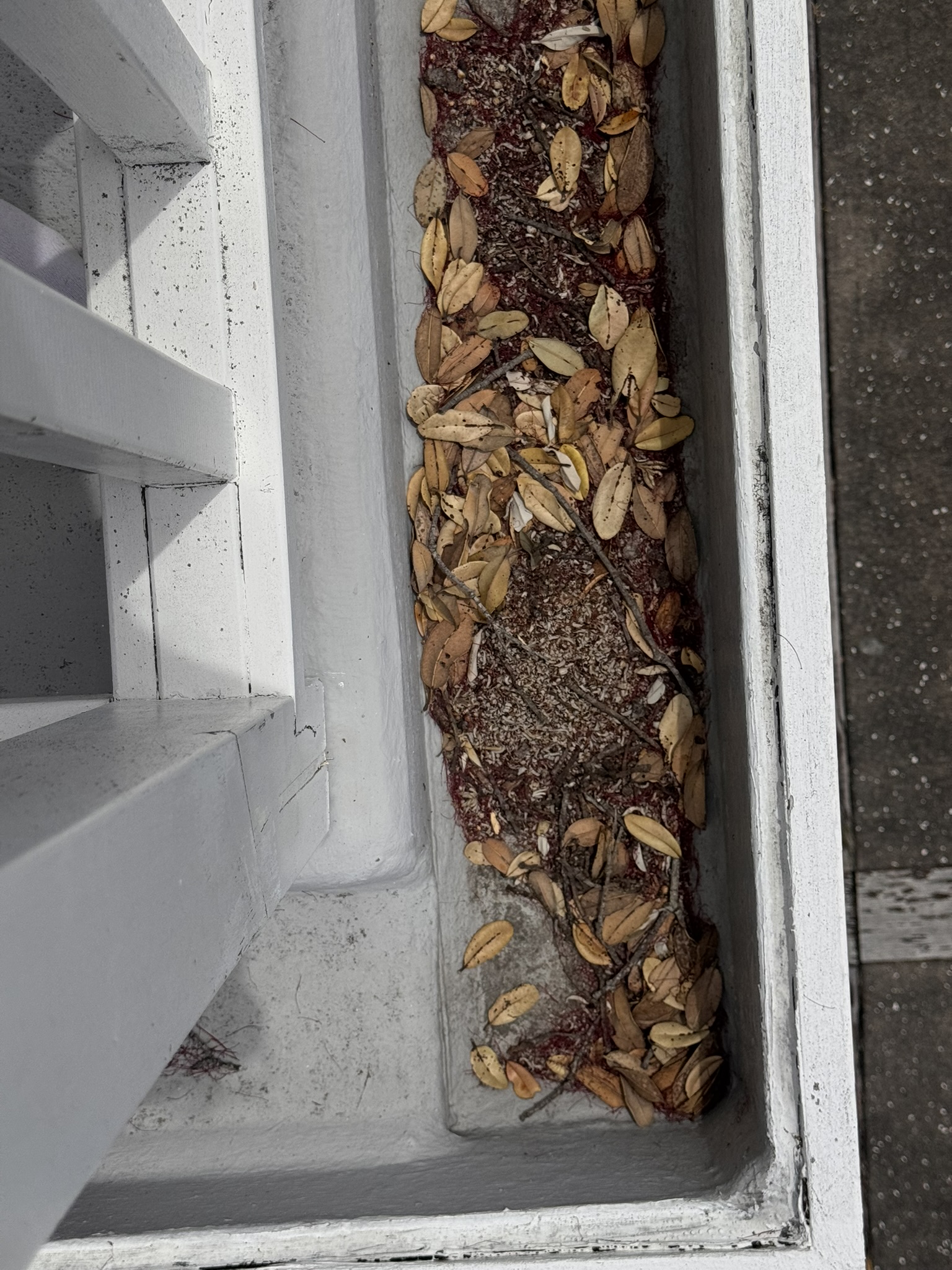
Obstructed membrane gutter and outlet

Maintenance and repair

Observation

Leaf litter and debris were obstructing the membrane gutter and scupper outlet. Deterioration was also visible at adjacent fascia and membrane junctions.

Why it matters

Obstructed drainage can cause ponding and increase the risk of moisture entry at vulnerable junctions.

Recommendation

Clear the gutter and outlet, then have a suitably qualified membrane-roofing contractor assess the deteriorated junctions and confirm effective discharge.

Exterior and interior moisture indicators

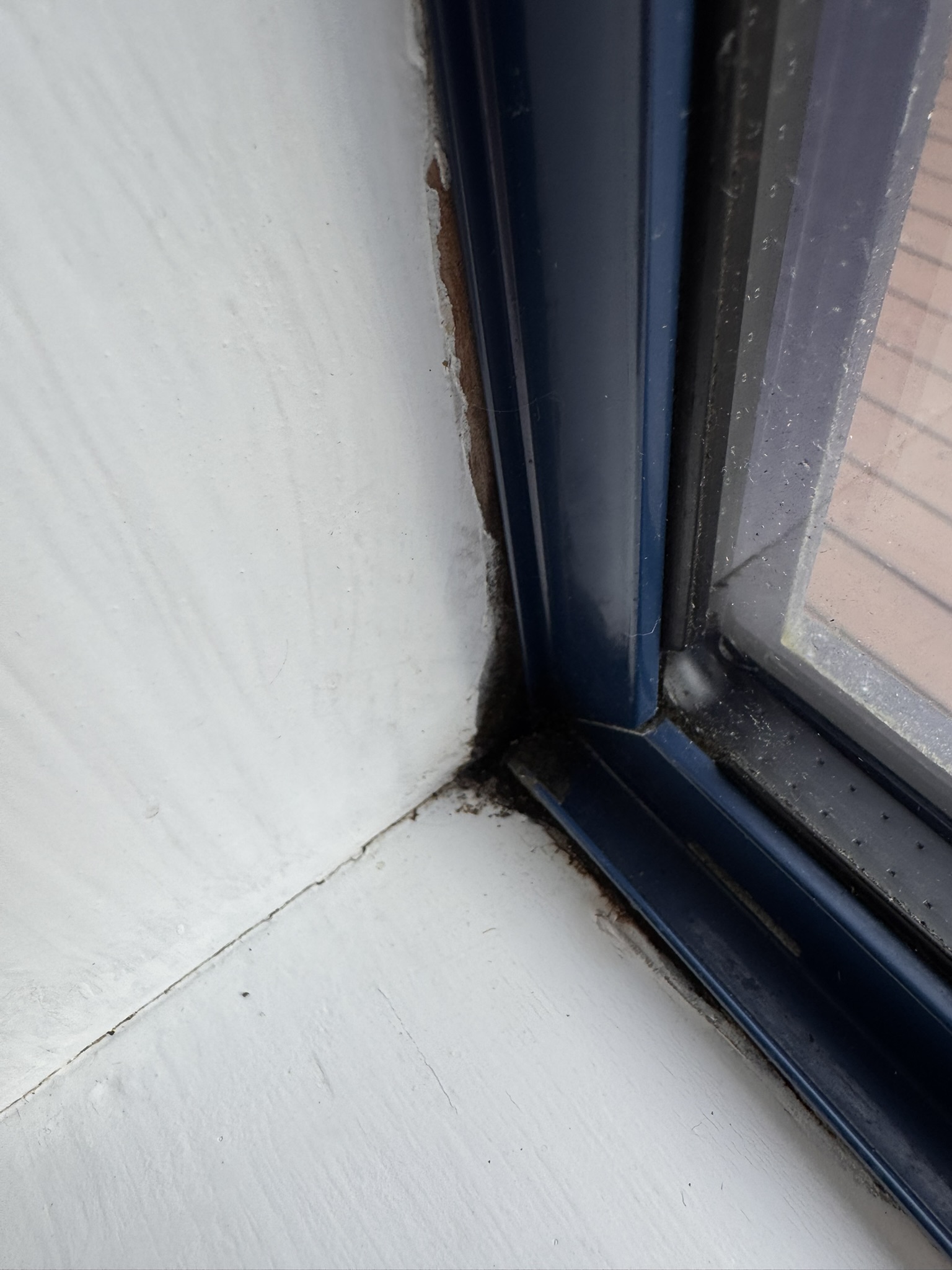
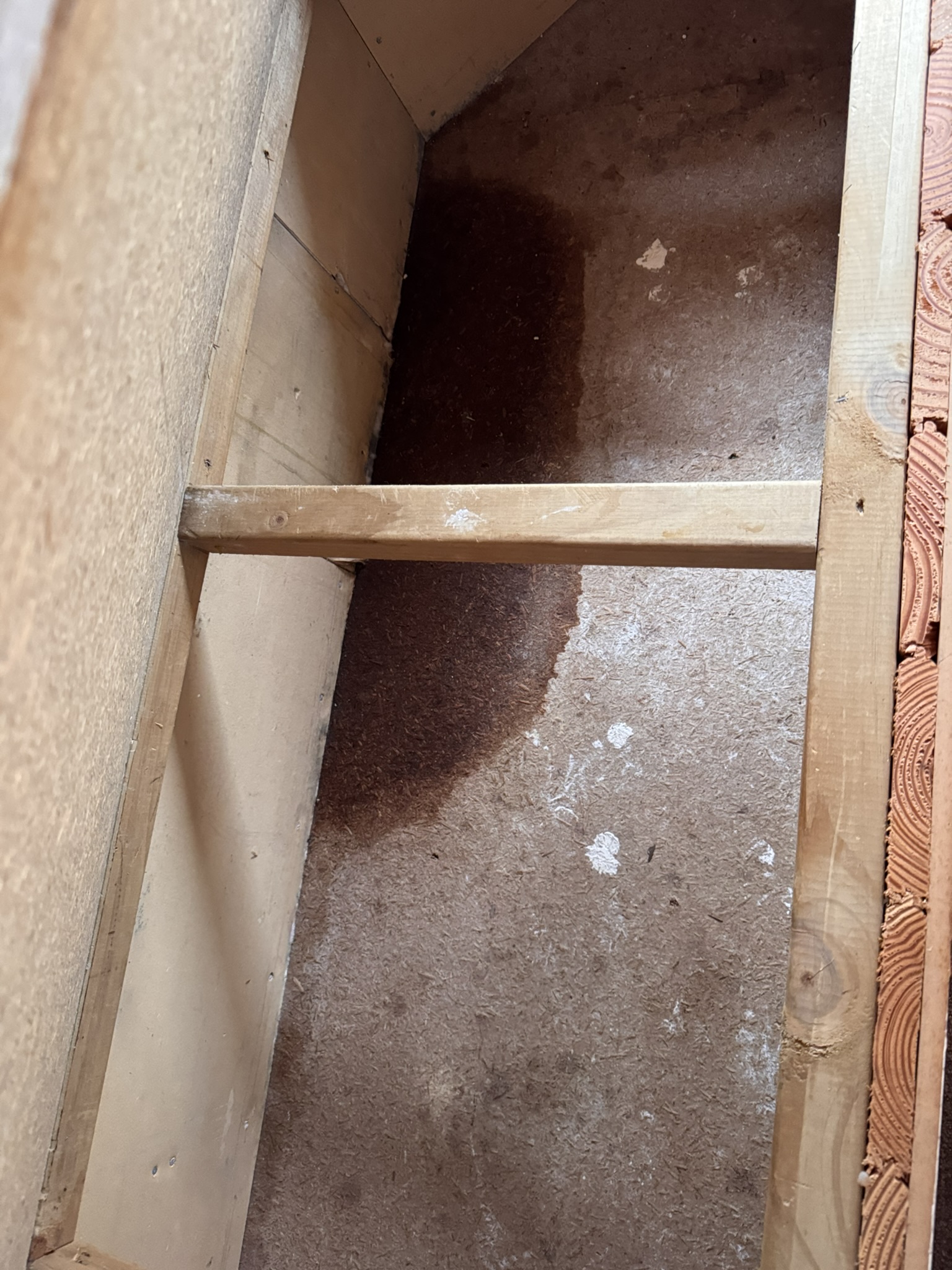
Window-junction moisture entry

Further investigation recommended

Observation

Open junctions and deterioration were visible around the exterior window installation. Moisture-related damage was also visible at the internal jamb and within the accessible lift-up window-seat cavity below.

Why it matters

The combined exterior and interior indicators are consistent with moisture entry and may indicate concealed damage around the window opening.

Recommendation

Have a suitably qualified builder or weathertightness specialist investigate the window installation, repair deficient junctions and assess the extent of any concealed damage.

Exterior joinery

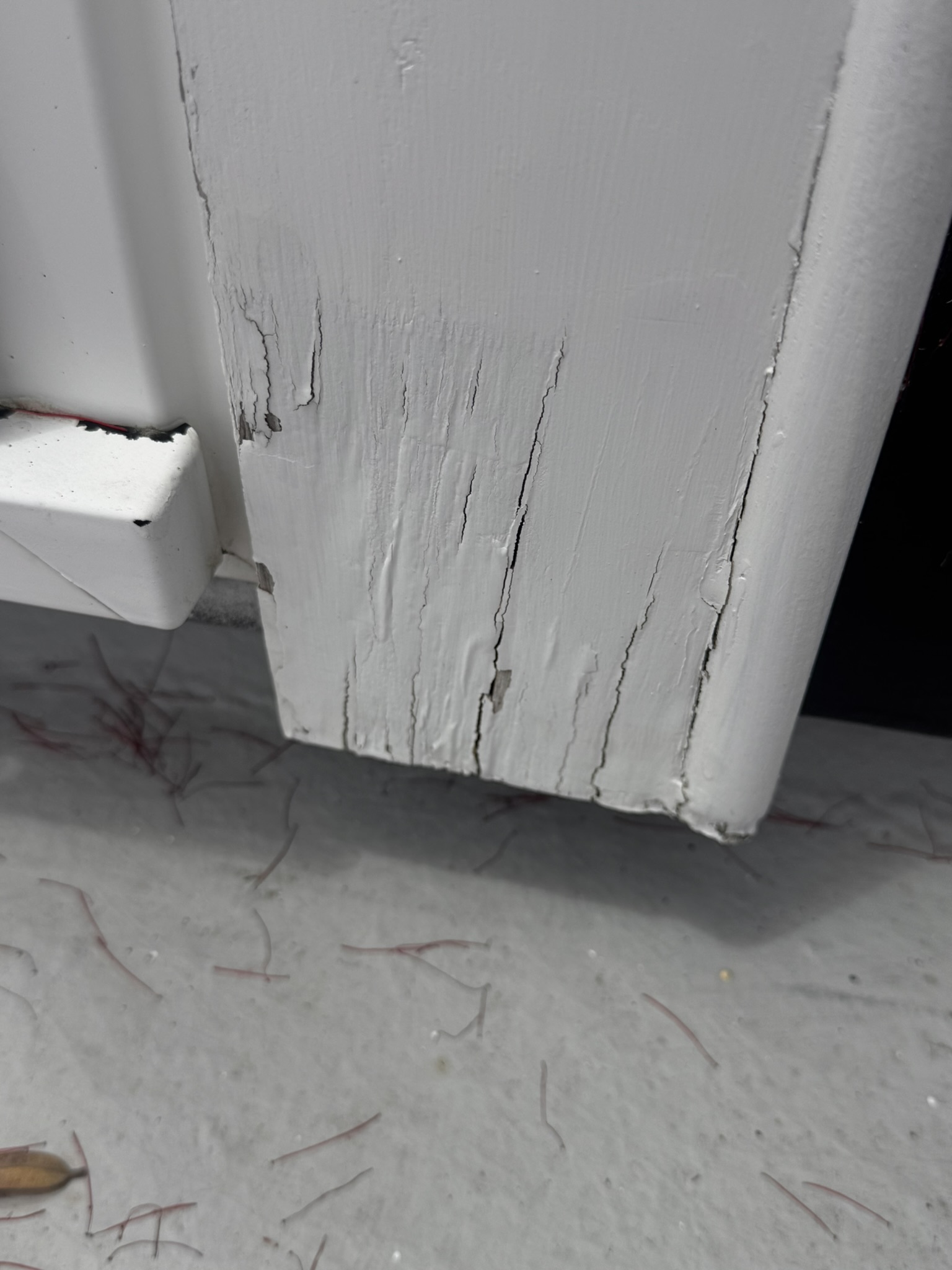
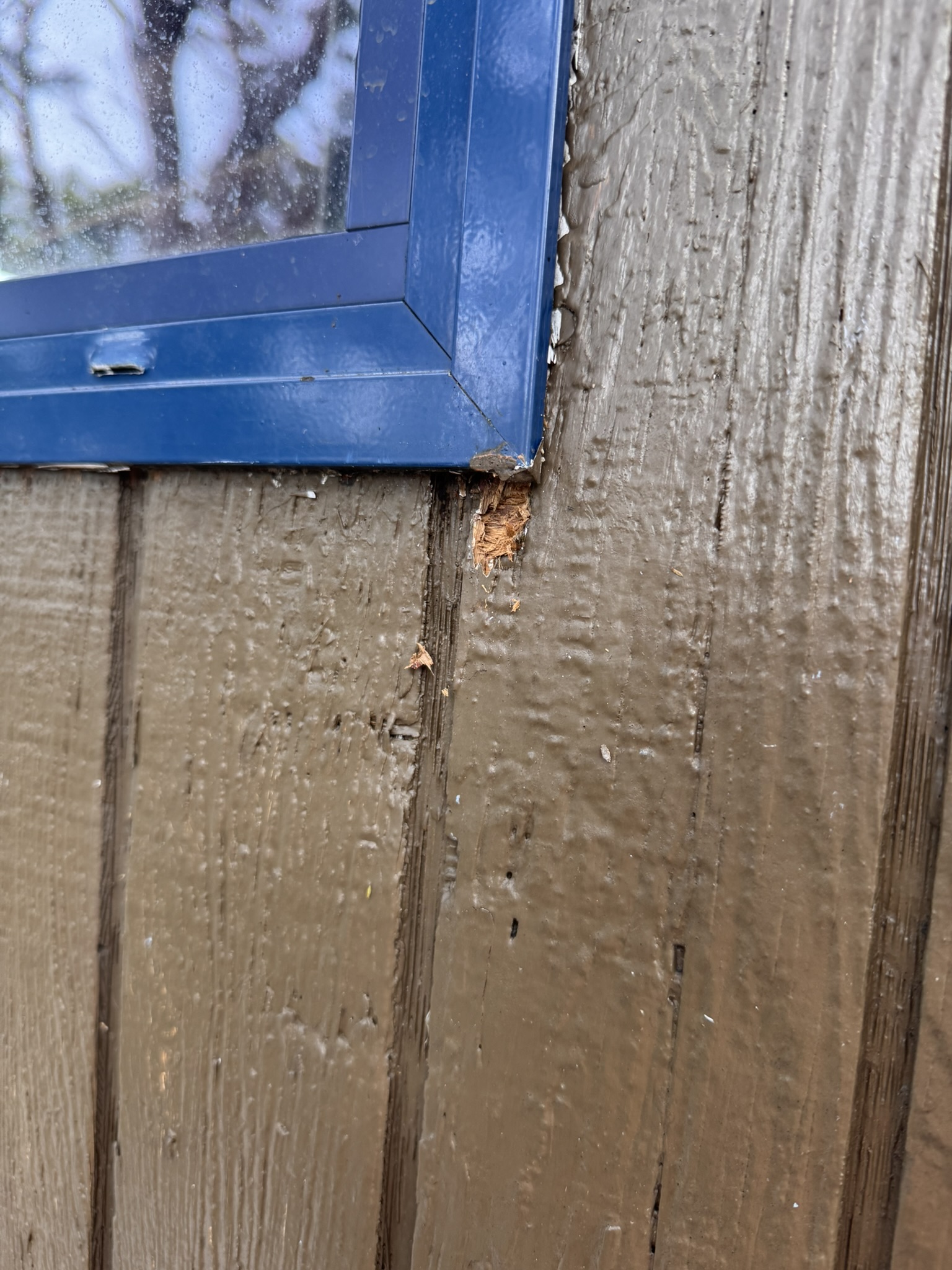
Deteriorated timber window facing

Repair recommended

Observation

The lower end of the timber window facing showed pronounced coating failure, cracking and visible deterioration consistent with prolonged moisture exposure.

Why it matters

Continued wetting may cause further timber decay and allow deterioration to extend into adjoining components.

Recommendation

Have a suitably qualified builder assess the extent of decay, identify and address the moisture source, and repair or replace affected timber.

Laundry plumbing

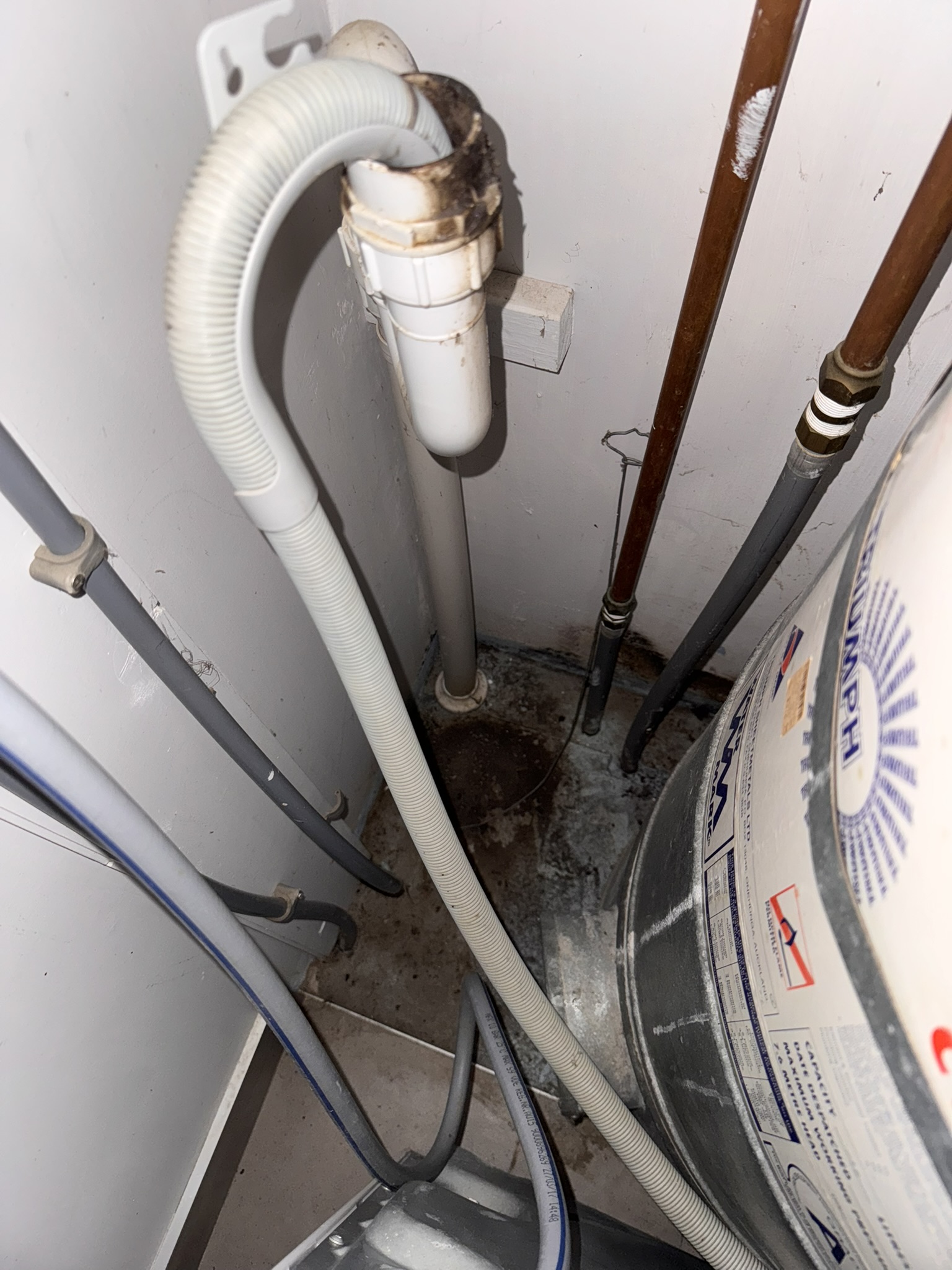
Leakage at washing-machine waste area

Plumbing review recommended

Observation

Drip marks, moisture staining and deterioration were visible below the washing-machine waste trap and to the adjoining cupboard linings and floor.

Why it matters

Ongoing or repeated leakage can damage cupboard linings and flooring, with the potential to affect concealed wall and floor framing.

Recommendation

Have a registered plumber inspect and test the waste arrangement and repair the source of leakage. Once dry, have the affected linings, flooring and any concealed framing assessed as required.

The finished report

Designed to Support Better Decisions

Your completed report records visible conditions at the property, supporting photographs, significant findings, access limitations and recommendations for maintenance, repair or further specialist advice where appropriate.

Findings are based on the conditions and areas visible and safely accessible at the time of inspection. Reports are generally issued within 1–2 business days, subject to workload and inspection complexity.

Book an Inspection